Ingredients
For the meat
• 400 g of ground beef, such as duck or chuck
• 1 tablespoon of vegetable oil
• 1/2 medium onion (80 g), chopped
• 2 cloves of garlic, chopped
• 1 teaspoon of cumin powder
• 1 teaspoon of smoked or sweet paprika
• 1/2 teaspoon chili powder, or to taste
• 1 tablespoon of tomato paste
• 3 tablespoons of water
• 1/2 teaspoon salt, more if necessary
For assembly
• 300 g tortilla chips or firm corn topes
• 200 g coarsely grated mozzarella
• 150 g grated cheddar cheese
• 60 g sliced pickled jalapeño, well drained
For the pico de gallo
• 2 firm tomatoes (about 250 g), seedless, in small cubes
• 1/4 small red onion (40 g), chopped
• 2 tablespoons chopped fresh coriander
• 1 tablespoon of lemon juice
• 1 pinch of salt
To finish
• 120 g sour cream or sour cream
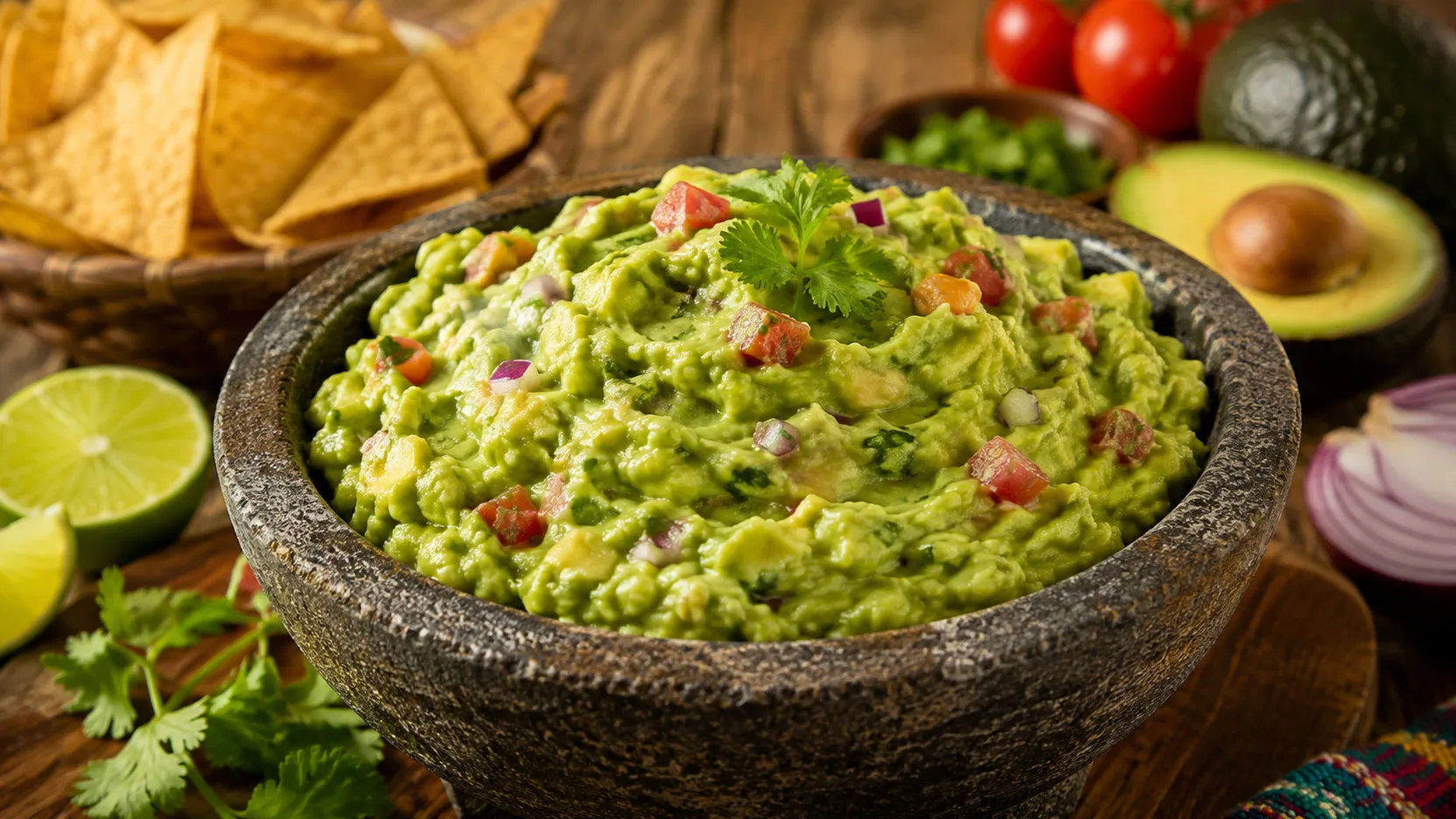
• 150 g of guacamole, to serve (optional)
• 2 tablespoons of fresh coriander, to finish (optional)
Preparation method
1. Prepare the cold toppings
Mix tomatoes, red onion, cilantro, lemon juice and salt. Let the pico de gallo rest for 5 minutes and, if liquid collects at the bottom, drain before using. Keep the pico, sour cream and guacamole refrigerated while you prepare the hot part. Drain the jalapeño slices well.
2. Cook and dry the meat
Heat the oil in a large frying pan over medium-high heat. Sauté the onion for 2 to 3 minutes, until translucent, and add the garlic for about 30 seconds. Add the meat and cook for 6 to 8 minutes, breaking up the pieces with a spatula, until browned and reaching 71°C in the center. Add cumin, paprika, chili, tomato paste, water and salt. Cook for another 2 to 3 minutes, stirring, until the meat is moist but no liquid has accumulated at the bottom of the pan.
3. Heat the oven
Preheat the oven to 220°C, with the rack in the center position. Set aside a large baking tray with a rim, approximately 30 x 40 cm. No need to grease.
4. Assemble in two layers
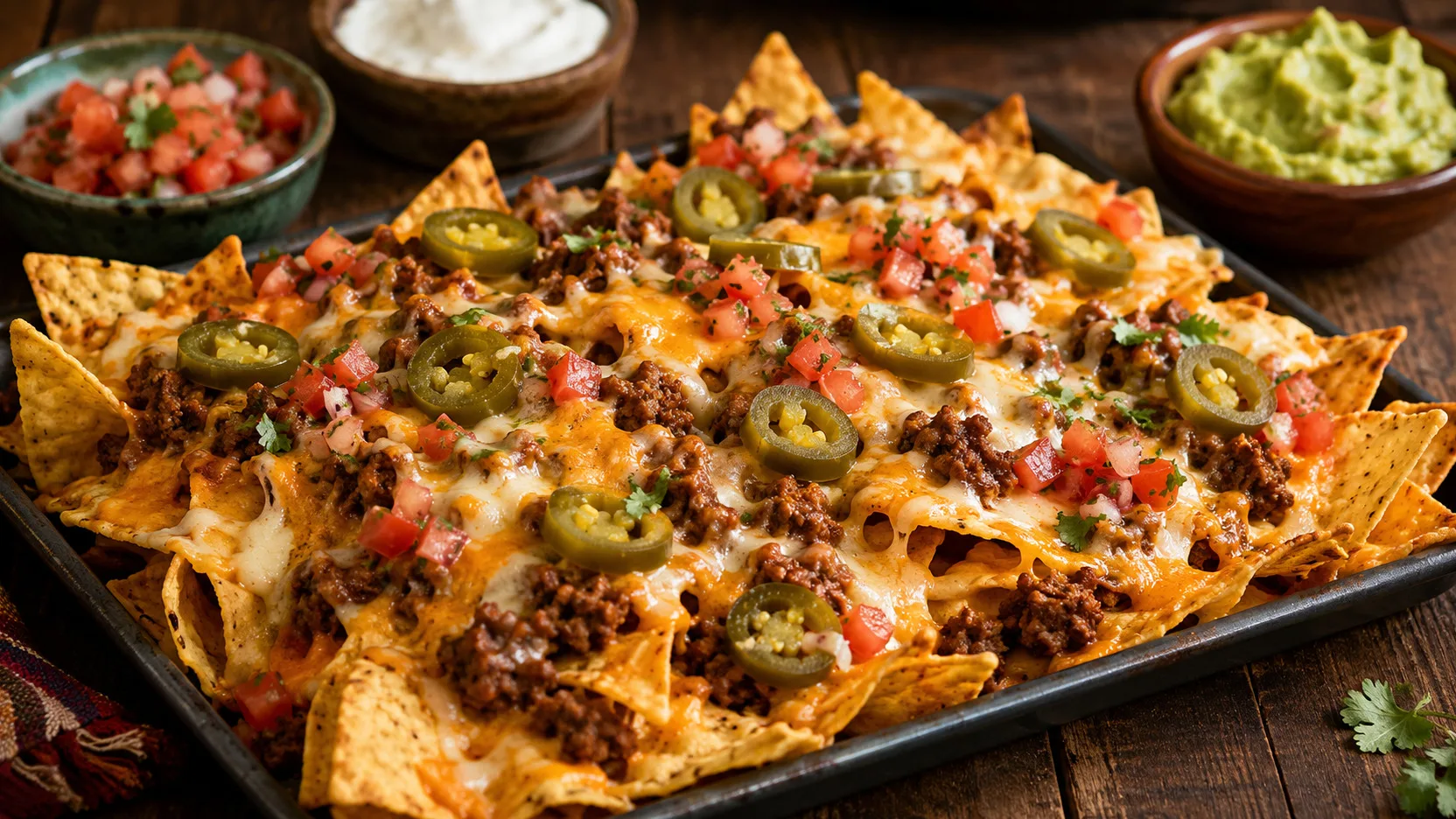
Spread half of the tortilla chips across the baking sheet in a relatively open layer. Distribute half of the meat, half of the jalapeño and half of both cheeses on top. Make a second layer with the remaining chips and repeat with meat, jalapeño and cheeses. Avoid forming a high mound in the center: distributing the ingredients throughout the pan leaves more chips in contact with the cheese and reduces soggy areas.
5. Bake just until the cheese melts
Bake in the oven for 5 to 7 minutes, just until the cheeses melt completely and start to bubble in some spots. Remove as soon as this happens; Baking for too long dries out the cheese and leaves the edges of the chips bitter.
6. Finish and serve immediately
Distribute small spoonfuls of pico de gallo over the nachos, without pouring out any liquid that may have formed. Place the sour cream and guacamole in small portions between the chips or serve in bowls on the side. Top with cilantro, if desired, and bring to the table while the cheese is hot and the chips are still crunchy.
Right spot / how to know it’s ready
The meat must be completely cooked before assembly, with no visible pink parts and, to be safe, reach 71°C in the center. In the pan, the cheese should be completely melted, shiny and with small bubbles, while the exposed edges of the tortilla chips remain dry and crispy. The bottom must not have pools of liquid; if there is, the meat or toppings were too moist.
Tips for the recipe to work out
Use firm chips
Thick toppers or sturdier corn tortilla chips support the meat and cheese better. Very thin chips break and soften more easily.
Grate the cheese and distribute it over all layers
Grated cheese spreads better between the chips. Mixing a good melting cheese, like mozzarella, with cheddar gives even coverage without relying on a very thick layer on top.
Control humidity before assembly
The meat must have no loose juices, the jalapeño must be drained and the pico de gallo must be free from the liquid that accumulates in the bowl. These small precautions make more of a difference to the crispiness than increasing the oven time.
Do not bake toppings cold
Pico de gallo, sour cream and guacamole come in after the pan comes out of the oven. In addition to maintaining temperature contrast, they do not release water onto the chips during the cheese melting.
Serve in the pan
Transferring the nachos after they are ready tends to break chips and concentrate the toppings. Serving in the pan also reduces the time between oven and table.
Substitutions and variations
The cheddar can be exchanged for cheese or Monterey Jack, when available. The dish melts evenly and has a milder flavor; Monterey Jack tends to give a creamy, less intense fusion than cheddar.
Mozzarella can be completely replaced with cheese. The result is less elastic and a little more unctuous, but is still suitable for layering.
Pickled jalapeño can be replaced with thinly sliced fresh jalapeño. The fresh version has more vegetal heat and less acidity; use less if the pepper is very strong.
For a meatless version, replace the ground beef with about 2 cups of cooked black beans, well drained and seasoned with the same seasonings. The texture is less meaty, but the beans work well as a topping as long as they don't add broth to the pan.
Sour cream can be exchanged for unsweetened natural Greek yogurt. It has similar acidity, but a more dairy flavor and a slightly different texture; always use as a cold topping.
How to store
Nachos are best right after baking. To make preparation ahead, store meat, pico de gallo, cheese, jalapeño and cream in separate containers and leave the tortilla chips unopened in a well-sealed container at room temperature.
Cooked meat should be refrigerated in a shallow container within 2 hours and can be refrigerated for 3 to 4 days. When reusing, reheat to 74°C. It can also be frozen for 3 to 4 months; thaw in the refrigerator before reheating.
If you have leftover nachos that have already been assembled, refrigerate them for up to 2 hours. They are still subject to the same general 3-4 day limit for cooked leftovers, but the texture loses quality quickly because of the wet toppings. To restore some of the crispiness, remove cold toppings when possible and reheat the hot portion in the oven until hot.
How to serve / side dishes
Serve as a snack to share, with pico de gallo, guacamole and sour cream distributed in small portions or in side bowls. Chili sauce, sliced lemon, and a simple salad leaf work as accompaniments without adding moisture directly to the chips.
Common mistakes
Why are my nachos soggy?
Normally there is excess moisture: meat with broth, jalapeño without draining, pico de gallo placed before the oven or coating too concentrated in the center. Reduce the liquid and work in two open layers.
Why are some chips without cheese or meat?
This happens when everything is poured just over the top. Divide chips, meat, jalapeño and cheese into two portions and assemble the second complete layer on top of the first.
Why was the cheese dry or oily?
The oven was left on too long or the topping had too much cheddar. Use a good melting cheese with the cheddar and remove the pan once everything is melted.
Why did the meat release water in the pan?
The meat was probably not reduced enough before assembly. Cook in a large frying pan, keep medium-high heat and wait for the visible liquid to evaporate before adding to the chips.
Frequently asked questions
Can I leave the nachos assembled before baking?
It's better not to. Leave the meat ready, the grated cheeses and toppings separate; Only assemble the baking tray when the oven is hot. This way the chips spend less time in contact with wet ingredients.
Can I use ready-made cheese sauce?
You can, but apply it in small quantities and, preferably, with grated cheese. Too much sauce penetrates the chips quickly and reduces crunchiness; For this method, a thin, evenly distributed icing works best.