Ingredients
• 240 g of mimoso cornmeal
• 120 g of wheat flour
• 160 g of refined sugar
• 10 g of chemical yeast powder
• 4 g of fennel seeds
• 2 g of salt
• 120 g of unsalted butter, ointment
• 2 large eggs, approximately 100 g without shell
• 20 to 30 g of whole milk, used little by little just to adjust the point
• 1 egg yolk mixed with 1 teaspoon of water, for brushing
Preparation method
1. Heat the oven and prepare the baking dish
Preheat the oven to 180°C for at least 15 minutes. Line a large baking sheet with parchment paper or use a non-stick pan. Leave space to accommodate the bread without touching each other.
2. Mix the dry ingredients
In a large bowl, mix the cornmeal, wheat flour, sugar, yeast, fennel and salt until uniform. Break up any lumps of yeast with your fingers.
3. Add the butter
Add the creamy butter and rub it into the dry ingredients with your fingertips. Stop when the mixture resembles moist crumbs without large chunks of butter. No need to knead.
4. Give the dough point
Lightly beat the 2 eggs and mix them with the farofa. Add 20 g of milk and knead just until the dough comes together. Squeeze a portion in your hand: it should form a soft ball, which maintains its shape and may crack discreetly at the edges, but should not crumble. If it is still dry and crumbly, add the rest of the milk, 1 teaspoon at a time. If it is too soft due to the heat in the kitchen, refrigerate the dough for 10 minutes before adjusting with flour.
5. Portion and shape
Divide the dough into 14 portions of approximately 55 g. Roll each portion gently until it forms a ball and place it on the baking sheet, leaving about 5 cm between them. Do not flatten: the bread settles and spreads a little during the oven.
6. Brush and bake
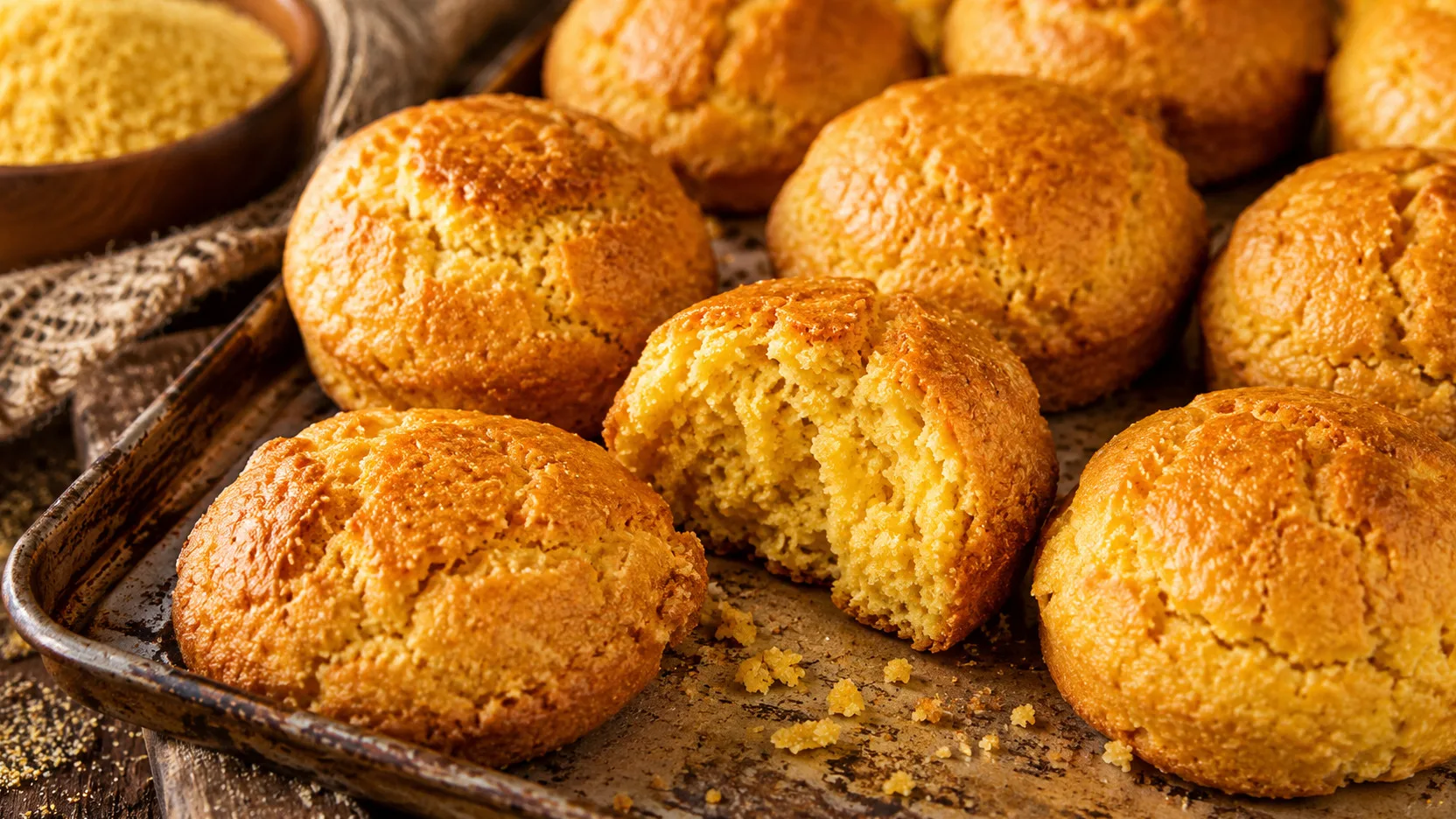
Brush a thin layer of the egg yolk and water mixture over the top. Bake at 180°C for 22 to 28 minutes, rotating the pan halfway through if the oven browns unevenly. Remove when the top is golden, the sides are firm and the base is darker than the center.
7. Let set before serving
Wait 10 minutes in the pan and then transfer the bread to a wire rack or plate. They come out of the oven still delicate and gain structure as they cool. To better understand the crumbly texture, wait for it to cool before using.
Right spot / how to know it’s ready
The raw dough must be moldable and cohesive: a portion pressed in the hand maintains its shape without running or falling apart into crumbs. During the oven, the balls grow and spread moderately, maintaining a rounded appearance. The finished bread has a golden top with small cracks, firm edges and a dark golden base. As it cools, the exterior becomes drier and the crumb breaks into soft crumbs rather than being elastic like bread.
Tips for the recipe to work out
Use mimoso cornmeal for a finer texture
The mimoso cornmeal integrates better with the dough and leaves the bite less grainy. Thicker cornmeal works, but it makes the bread more rustic and may require a few extra grams of milk.
Do not knead the dough
Mix only until the ingredients come together. Overworking develops the gluten in the wheat flour and can make the bread firmer and less crumbly.
Adjust the liquid by point, not by obligation
Egg size and cornmeal absorption vary. Start with 20 g of milk and only use the rest if the dough fails to form a cohesive ball.
Keep portions the same size
Portions of around 55 g bake at the same rate. Very different units can cause the smaller ones to dry out before the larger ones brown properly.
Note the gilding on the base
The brushed top may take on color before the cornbread has finished baking. The dark golden base and firm sides are more reliable signs that the structure has already formed.
Substitutions and variations
Butter can be replaced with the same amount of culinary margarine. Cornbread tends to have a less buttery flavor and may spread a little more, depending on the water content of the margarine; If the dough is too soft, chill it before shaping.
The fennel can be omitted without altering the structure. If you use coarser-ground cornmeal instead of
pampering, expect a more grainy texture and make the final adjustment of the milk little by little.
How to store
Once cold, store the cornbread in an airtight container, at room temperature, for up to 3 days. Avoid storing while still warm, as the steam trapped in the container softens the surface. To regain some of the crunchiness, heat for a few minutes in a low oven before serving.
How to serve / side dishes
Serve for breakfast or snack, preferably warm or at room temperature. Brewed coffee, coffee with milk and black tea combine with the flavor of cornmeal and anise.
Common mistakes
Why did my bread spread too much?
The dough may have become hot or contained too much liquid. Before adding more flour, chill the dough for 10 to 15 minutes. For the next batch, add the milk more slowly and keep the butter just soft, not melted.
Why does the dough crumble and not form balls?
There is no moisture to bind the cornmeal and flour. Add milk in small amounts, mixing after each addition, until the portion held in your hand remains intact.
Why was the cornbread hard?
The most common causes are excess flour, overworked dough or baking time longer than necessary. Stop mixing as soon as the dough becomes cohesive and remove when the edges are firm and the base is golden; it continues to set as it cools.
Why did the bread turn pale?
The oven may not have been fully preheated or the units may have been removed early. Use 180 °C with the oven already hot and wait for the base and sides to take on color, not just the brushed top.