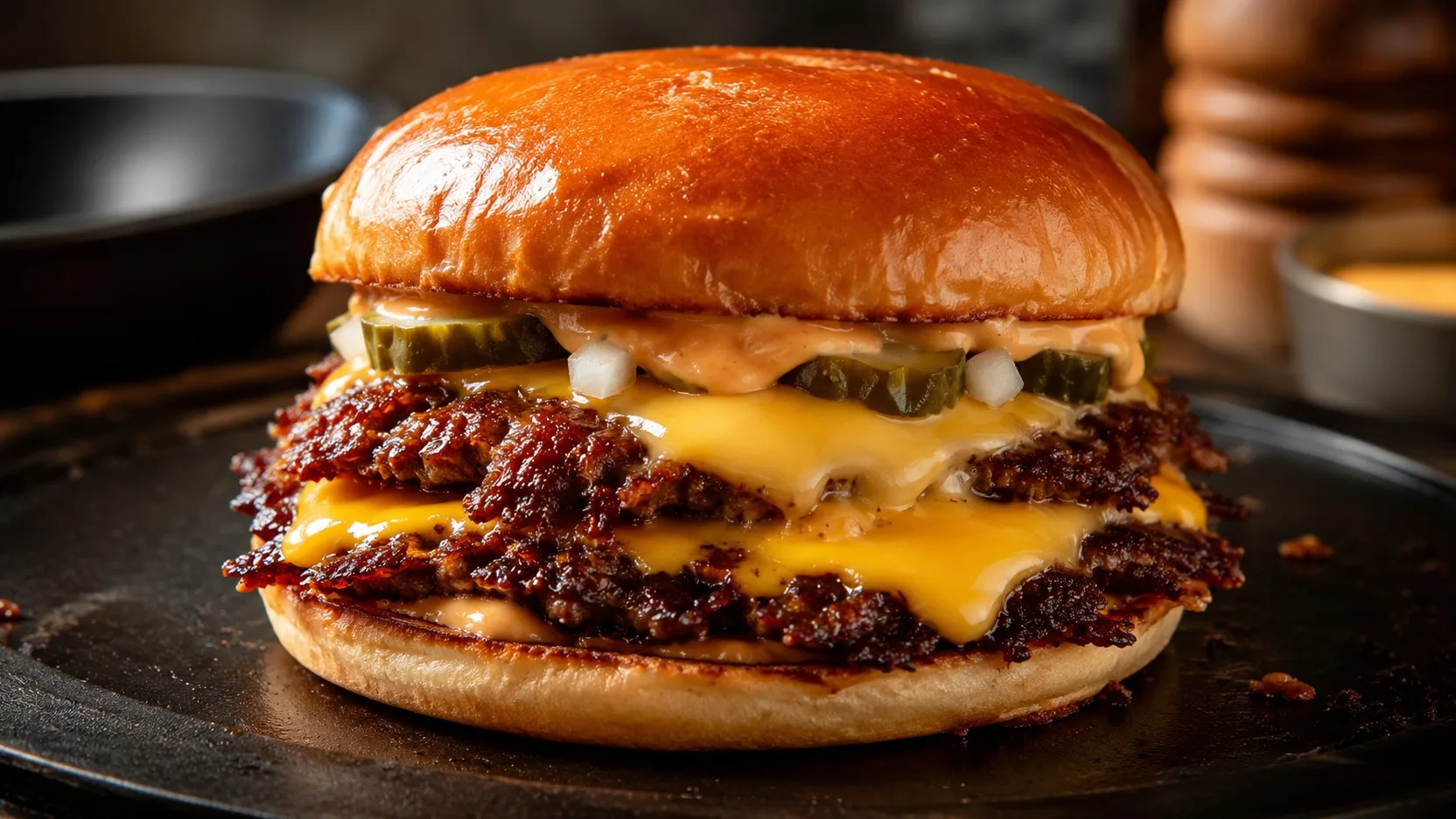
This smash cheeseburger was sized for the domestic frying pan: each sandwich contains two 60 g balls of meat, pressed only at the beginning of cooking to create plenty of contact with the hot metal. The assembly keeps the crust in focus, with good melting cheese, toasted bread, pickles, onions and a simple sauce.
Ingredients
For the burger
• 480 g of well-chilled ground beef, with approximately 20% fat
• 6 g of fine salt, about 1 teaspoon
• 1/2 teaspoon freshly ground black pepper
• 1 teaspoon of neutral oil with a high smoke point, just to lightly grease the pan
• 8 slices of American cheese, processed cheddar or other good melting cheese
For the bread and assembly
• 4 soft hamburger buns, preferably brioche or potato bun, cut in half
• 30 g of butter
• 80 g sliced cucumber pickle
• 40 g finely chopped white onion
For the sauce
• 80 g mayonnaise
• 30 g of ketchup
• 15 g of yellow mustard
• 1 teaspoon of pickle brine
Equipment
• Heavy cast iron, carbon steel or stainless steel frying pan, preferably 26 to 30 cm
• Wide and rigid metal spatula; a second spatula or press helps apply force to the smash
• Instant-read culinary thermometer, recommended for checking the temperature of ground meat
Preparation method
1. Prepare the sauce and assembly
Mix the mayonnaise, ketchup, mustard and pickle brine until smooth. Leave the pickles, onion and cheese separated next to the stove, as the meat discs cook quickly once they are in the pan.
2. Toast the bread
Spread the butter on the cut sides of the bread. Heat the frying pan over medium heat and brown the buns cut side down for 1 to 2 minutes, until golden and slightly crispy. Remove and reserve. Wipe up any loose crumbs before increasing the heat.
3. Portion the meat
Divide the chilled meat into 8 portions of 60 g. Shape loose balls, just enough to keep their shape, without squeezing or kneading. Keep them refrigerated until ready to cook. Do not mix salt into the meat; it only enters after the smash.
4. Preheat the frying pan
Heat heavy skillet for 5 to 7 minutes over medium-high heat. For the last 30 to 60 seconds, increase heat to high. Spread the oil and remove the excess with a paper towel held in place with tongs. The surface must be very hot to quickly brown the meat. Work with good ventilation.
5. Smash immediately
Cook 2 balls at a time to avoid dropping the temperature of the pan. Place the balls apart from each other and, in the first few seconds, press each one with the stiff spatula for about 8 to 10 seconds, forming thin discs approximately 11 to 12 cm in diameter. If the meat sticks to the spatula, use a small square of parchment paper between the meat and the metal while pressing. Remove the paper and season the surface with some of the salt and pepper. Do not press again after this.
6. Form the crust and turn over by scraping
Leave the discs still for about 60 to 90 seconds, until the edges are well toasted and the part in contact with the pan has a dark brown crust.. Pass the metal spatula close to the pan, scraping under each disc to loosen the crust without leaving it stuck to the metal. Turn once.
7. Melt the cheese and finish the meat
As soon as it turns, place a slice of cheese on each disc. Cook the second side for about 30 to 60 seconds. The ground meat must reach 71°C in the center; If it hasn't reached that temperature yet, continue in short bursts until it does. Stack two disks with cheese to form each double burger. Repeat with the remaining batches, removing burnt residue from the pan between batches if necessary.
8. Assemble and serve
Spread sauce on the base of the toasted bun, place the double burger, distribute pickles and onions, add a little more sauce and close with the top of the bun. Serve immediately to preserve the contrast between the meat's crust, melted cheese and toasted bread.
Right spot / how to know it’s ready
The first side must have a well-adhered dark brown crust, with irregular, toasted edges. When scraping with the spatula, the crust should come off along with the disc, not remain in the pan. The cheese should be completely softened and shiny, and the bread should be golden brown on the inside. For safety, do not use internal color as a criterion: ground beef must reach 71 °C measured with a culinary thermometer.
Tips for the recipe to work out
Keep the meat cold and handle it lightly
Well-chilled and shaped meat without excessive compaction helps to form discs with a less dense texture. Season only when the meat is already in the pan so as not to alter the structure before cooking.
Really preheat
Crusting depends on intense contact with a hot surface. If the pan is only warm, the meat will release liquid before browning and the smash will tend to cook instead of creating a marked crust.
Do a single smash
Press hard at the beginning and then leave the disc alone. Pressing again when the meat has heated up expels more juices and increases the chance of drying out the burger.
Do not crowd the frying pan
In a 26 to 30 cm frying pan, two balls at a time are a practical reference for maintaining work space and temperature. If the pan is smaller, cook one disc at a time.
Scrape before turning
Don't try to lift the disc like a thick hamburger. Insert the spatula close to the metal and scrape the base; This preserves precisely the crust that defines the smash burger.
Substitutions and variations
Leaner meat can be used, but it tends to produce a burger that is less juicy and less rich; for this method, around 20% fat is a more appropriate reference. If the grinder or butcher only tells you the percentage of lean meat, look for something closer to 80% lean and 20% fat.
American-style cheese melts quickly and evenly, which suits the short smash time. Thinly sliced cheddar, platter, or another good melting cheese also works, but aged, dry cheeses may take longer to soften.
Brioche bread makes the assembly richer and sweeter; potato bread or other soft hamburger bread gives a more neutral result. In either option, the internal browning helps create a barrier against sauce and grease.
The sauce can be simplified to mayonnaise and mustard or substituted with another burger sauce, as long as it is not excessively runny, to avoid soggy bun.
How to store
The smash cheeseburger has the best texture right after assembly. If you have leftovers, store the cooked meat discs separately from the bread, sauce and vegetables. Place the meat in the refrigerator within 2 hours of preparation, or within 1 hour if the environment is above 32°C. Consume refrigerated discs within 3 to 4 days.
To freeze, pack the cooked discs already cold and keep frozen; For best quality, use within about 4 months. When reheating cooked leftovers, bring to 74°C in the center. Assemble the sandwich only after reheating to better preserve the bread and toppings.
How to serve / side dishes
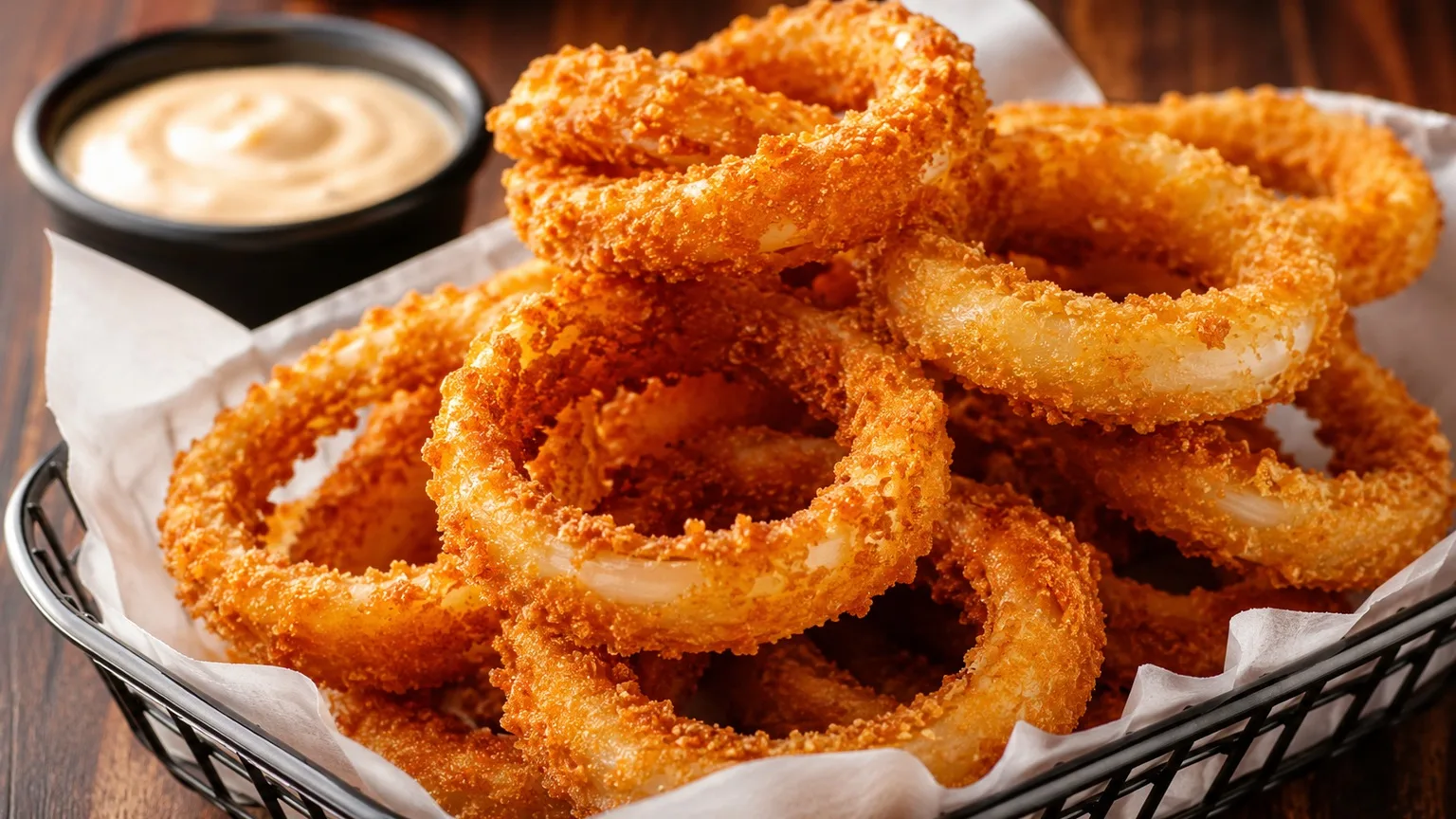
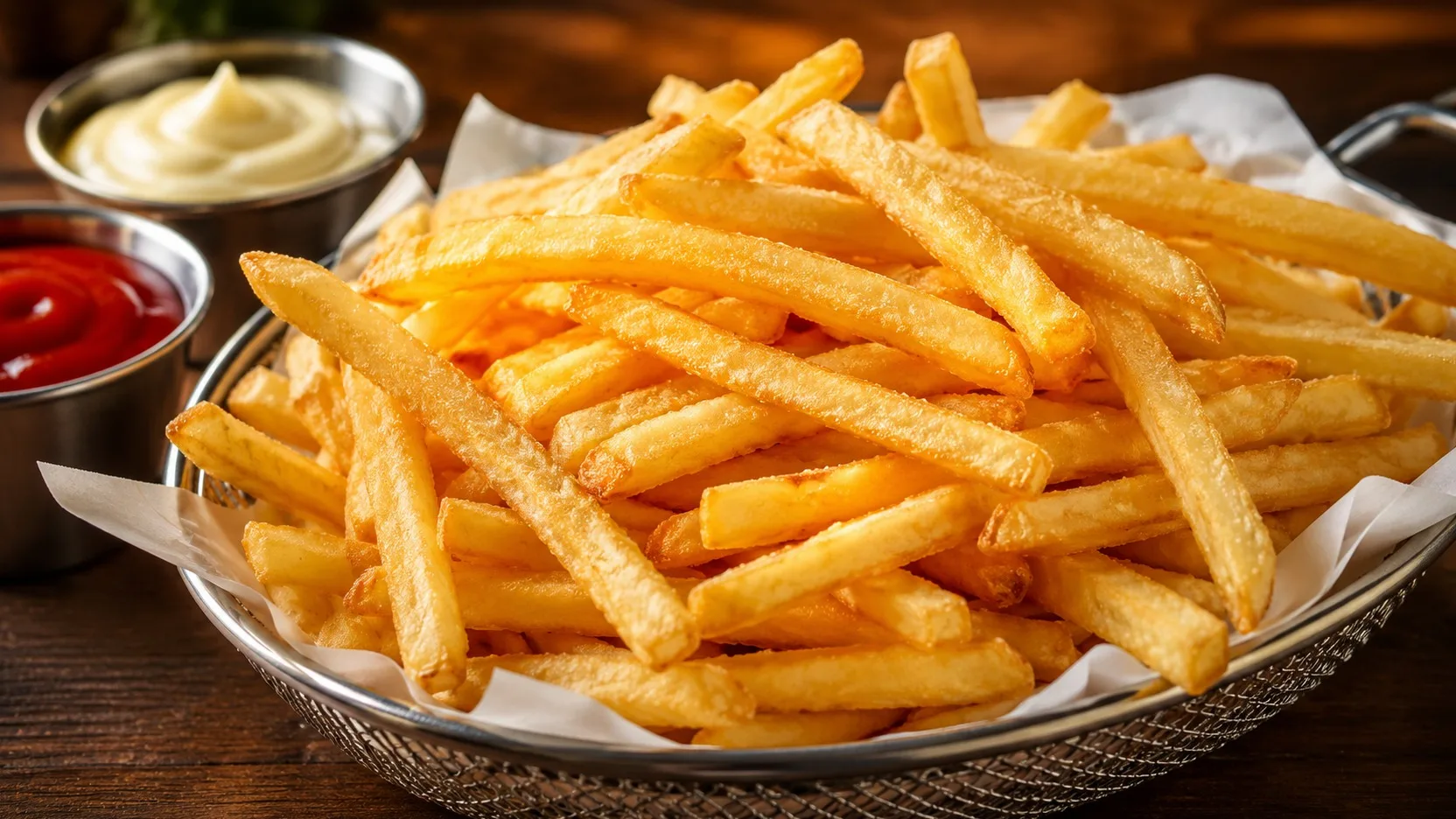
Serve as soon as assembled. French fries, onion rings, extra pickles or a crunchy salad work well as a side dish. To avoid covering up the smash crust, choose side dishes and sauces in moderate quantities.
Common mistakes
Why didn't my smash create crust?
The most likely causes are an insufficiently hot pan, too much meat in the same batch or insufficient contact when pressing. Preheat long enough, cook a few pieces at a time and press the ball firmly for the first few seconds.
Why did the meat stick and tear when turning?
If the crust has not yet formed, the disc may stick to the metal. Wait for the underside to brown and use a rigid metal spatula to scrape it close to the pan, bringing the toasted pieces along with the meat.
Why was the burger dry?
Very lean meat, excessively compacted balls, repeated smashes or too long a time after turning can dry out the disc. Use meat with enough fat, handle it little and finish it as soon as the cheese has melted and the meat has reached a safe temperature.
Why was the bread soggy?
Bread without toasting, excessive sauce or assembly done long before serving absorb moisture quickly. Toast the inner side, use sauce in a moderate layer and assemble only when the meat is ready.